Understanding it
What digestive distress actually is
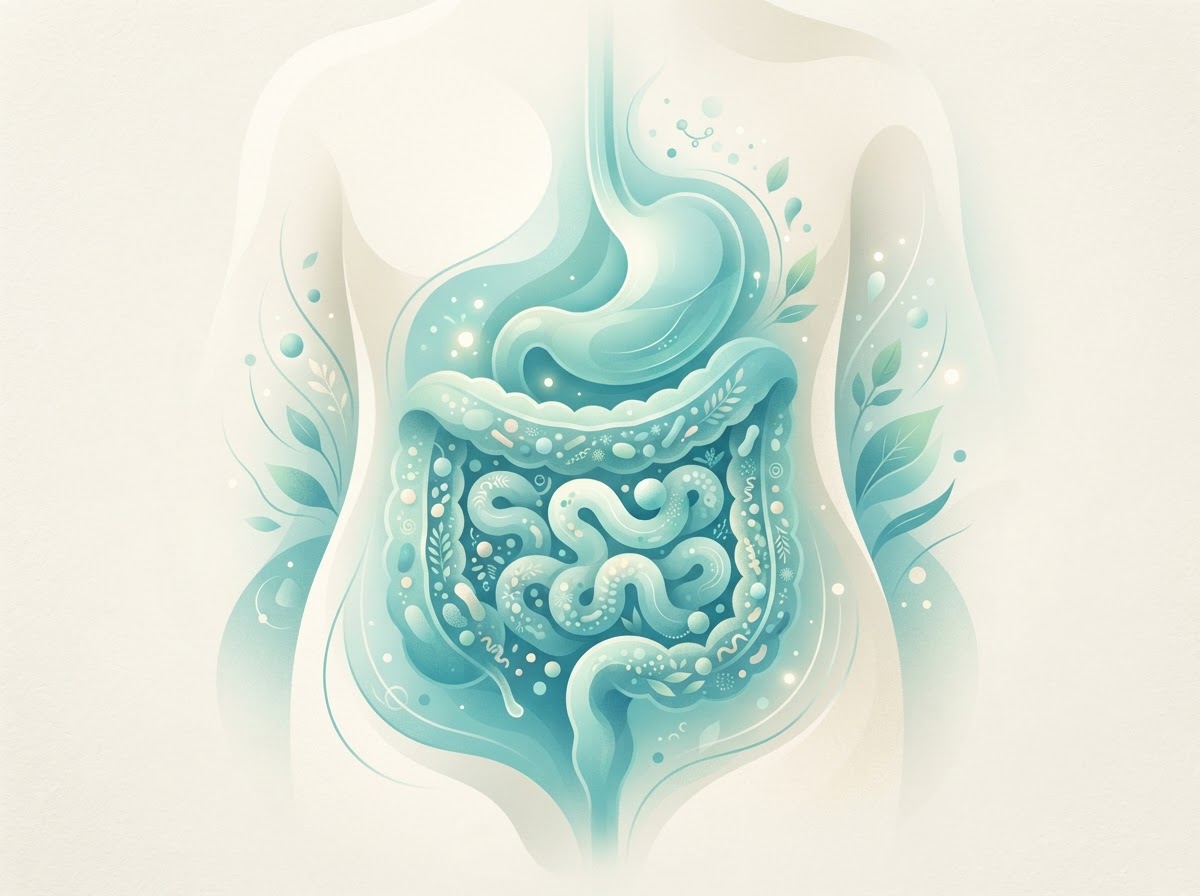
Chronic digestive issues cover a range: bloating that appears after almost any meal, reflux and heartburn, irregular bowel habits that swing between loose and constipated, and food reactions that seem to change from week to week. Irritable bowel syndrome (IBS) is the label given when symptoms are persistent but no structural disease is found on testing. For many people, the pattern is unpredictable — foods that were fine last month cause trouble now, and the search for a single "trigger" comes up empty. The discomfort is real, but because standard investigations often return normal, the underlying drivers go unaddressed.
The roots
What might be causing it
Genetics shapes several layers of gut function. Lactose tolerance is decided by the MCM6 gene; gluten sensitivity and coeliac risk cluster around HLA-DQ variants; gut-lining integrity and immune tone relate to FUT2 (which shapes the mucus your gut produces and the microbiome it supports) and IL-10 (anti-inflammatory signaling). On top of genetics, a stressed nervous system directly slows digestion — the gut and the brain share the vagus nerve, so chronic stress, anxiety, and poor sleep all suppress digestive function. The microbiome you grow is influenced by both your genetics and your diet, and an imbalance there drives bloating, gas, and irregularity. Low stomach acid, enzyme shortfalls, and a damaged gut lining compound all of it.
The standard path
How it's usually treated
The conventional approach is largely symptom management. For reflux, proton pump inhibitors (omeprazole, pantoprazole) and H2 blockers reduce stomach acid — effective for symptom relief, but they're often used long-term, which can impair nutrient absorption (B12, magnesium, iron) and shift the gut microbiome. For IBS, antispasmodics, low-dose antidepressants (which affect gut nerve signaling), and laxatives or antidiarrheals are prescribed depending on the dominant symptom. For confirmed coeliac disease, a gluten-free diet is essential. Each of these can reduce symptoms, but most act on the symptom rather than the underlying gut-lining, microbiome, or nervous-system drivers — and long-term acid suppression, in particular, can create new problems while masking the original one.
A different angle
How genetic screening can help
Genetic screening clarifies which gut-related tendencies you actually carry, so support is targeted rather than a process of elimination. MCM6 confirms whether lactose is a genuine issue for you or an unnecessary restriction. HLA-DQ variants indicate coeliac risk, guiding whether formal screening with your doctor is warranted before removing gluten. FUT2 and IL-10 explain gut-lining and immune tendencies, pointing to support like targeted probiotics and fibres matched to the microbiome you're inclined to grow, digestive enzymes for the work your gut is under-resourced to do, and L-glutamine or zinc carnosine to repair the lining. Because the gut-brain connection is central, addressing the nervous-system side — stress, sleep, and pacing — is part of the picture. For reflux driven by low acid or lining issues rather than excess acid, this approach can reduce reliance on long-term acid suppression; for IBS, it addresses the lining and microbiome roots rather than only muting the symptoms. Where pharmacogenomics is relevant — several gut medications are metabolized by CYP2C19 — it also helps your doctor choose a better-tolerated option.
This is educational support, not a diagnosis or a treatment plan. We help you understand genetic tendencies and support them with food, lifestyle and nutrients alongside your doctor.